

Key Pitfalls and How You Can Steer Clear of Them
Installing a concrete driveway can be an excellent upgrade to your home. It’s durable, low-maintenance, and adds curb appeal. However, many people make mistakes during the process that can lead to costly repairs or replacements down the line. Understanding these common pitfalls can save you time, money, and hassle. In this guide, we’ll outline the most frequent errors made during installation and provide tips on how you can avoid them.
The Importance of Proper Planning
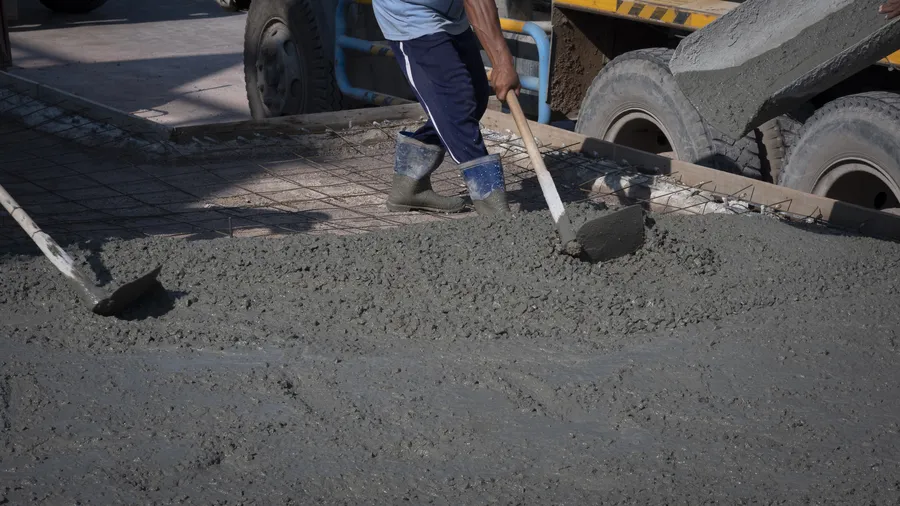
Poor planning is one of the most significant mistakes in installing driveways. Many skip crucial steps like measuring the area accurately or neglecting to consider drainage needs. Ignoring these can result in improper water flow and damage over time. To ensure success, create a detailed plan before starting. This includes understanding local regulations, mapping out dimensions precisely, and setting up for proper drainage.
Selecting Quality Materials
The quality of materials used in concrete driveway installation plays a critical role in its longevity and appearance. Opting for lower-quality materials may save money upfront but will likely cost more in repairs later. Choose high-grade concrete mixes with appropriate aggregates for durability. Also, ensure that any additional elements like rebar or wire mesh are top-notch to strengthen the structure.
Avoiding Improper Mixing Techniques
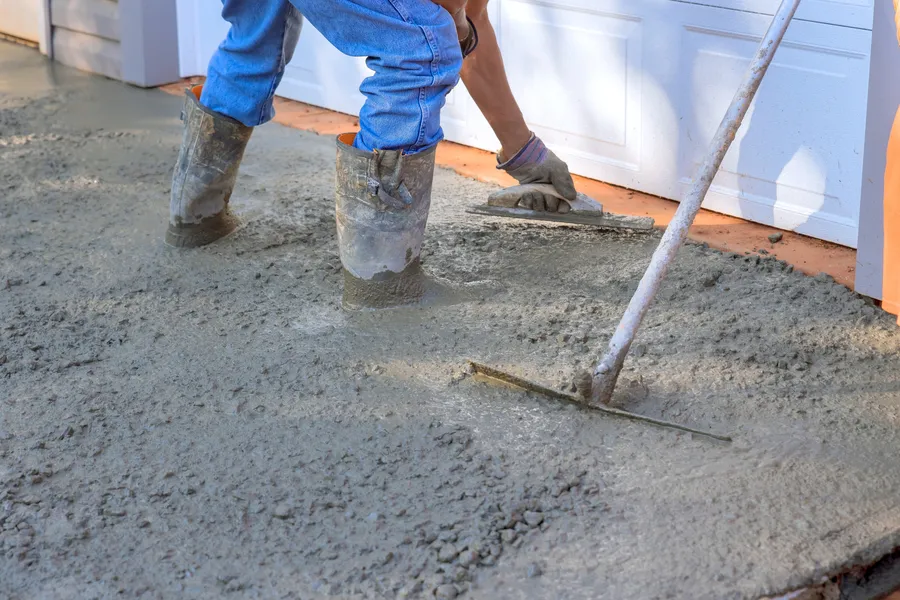
Concrete mixing is an art that requires precision. A common error is using incorrect ratios of water to cement, which affects the strength and finish of the driveway. Follow manufacturer instructions closely to mix the right proportions. Too much water weakens the concrete, while too little makes it hard to work with.
Recognizing Weather Conditions
The weather has a direct impact on how well your project turns out. Pouring concrete in extreme temperatures-whether hot or cold-can lead to cracking and uneven surfaces. Aim to carry out installation during moderate weather conditions when possible. If unavoidable, take measures such as using protective coverings to shield the curing concrete from adverse effects.
Proper Curing Techniques
Curing is often overlooked but is essential for achieving maximum strength and durability. Neglecting this step can lead to surface scaling or cracking. Ensure even moisture distribution by covering the surface with burlap or plastic sheeting for at least a week after pouring. Maintaining optimal moisture levels is vital for proper curing.
- Plan thoroughly before beginning the project
- Choose high-quality materials for durability
- Mix concrete precisely according to guidelines
- Consider weather conditions during installation
- Ensure proper curing techniques are followed
The Role of Professional Expertise
Tackling a driveway project might seem simple, but it’s advisable to consult experts who are familiar with best practices. Professionals bring experience and knowledge about potential pitfalls, ensuring that you avoid common issues from the outset. They can also offer insights into local regulations and material choices that suit your specific needs.
Understanding Cost Considerations
Budgeting accurately for your new driveway is another key aspect often underestimated. Costs can vary based on factors like material choice, labor rates, and additional features like color or stamping patterns. While it’s tempting to cut corners financially, investing in quality components pays off in the long run through reduced maintenance costs.
Your Path to a Durable Driveway
If you’re contemplating replacing or installing a new driveway, avoiding these common mistakes will increase your chances of success. For professional advice tailored to your situation, contact Geronimo Construction at (937) 326-2689. I am located in Greenville, OH and ready to help you achieve a beautiful and long-lasting driveway solution.